with the rapid development of cloud computing technology, more and more enterprises are choosing dock thailand cloud servers to meet their business needs. however, simply choosing a cloud server is not enough to ensure optimal performance. proper configuration and optimization are the keys to improving server performance. this article will introduce you how to configure the dock thailand cloud server to ensure that it runs efficiently.
the first step in configuring a jetty thailand cloud server is to choose an operating system that suits your business needs. common operating systems include linux and windows. for most web applications, linux systems generally provide greater stability and security while also taking up fewer resources. if your application requires a specific software environment, be sure to select the appropriate operating system version to maximize performance.
network settings have a profound impact on cloud server performance. first, make sure the physical distance between your server and your target users is as short as possible to reduce latency. you may consider using a cdn (content delivery network) to speed up content delivery. additionally, configuring proper dns resolution can reduce the time it takes users to access your website. in the tcp/ip protocol stack, network performance can be further optimized by adjusting the window size and enabling tcp fast opening and other technologies.
when configuring the dock thailand cloud server, it is crucial to reasonably allocate cpu, memory and storage resources. choose the appropriate instance type based on your business needs to avoid wasting resources. at the same time, monitor the resource usage of the server and optimize it regularly. for example, you can free up resources by shutting down unnecessary services and applications, ensuring that critical applications always have enough system resources at their disposal.
security is another important factor affecting server performance. make sure your terminal thailand cloud server has the necessary security configurations, such as firewalls, intrusion detection systems, and data encryption. in addition, software and operating system patches are regularly updated to fix potential security vulnerabilities. at the same time, data is backed up regularly to prevent data loss from affecting the business and improve the stability of the overall system.
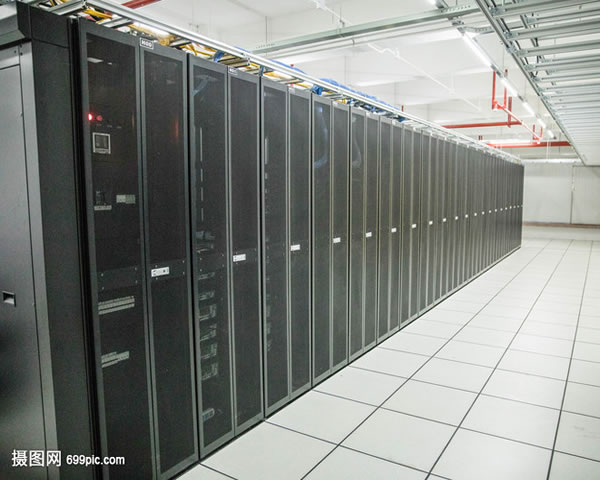
after configuring the dock thailand cloud server, it is very necessary to use performance monitoring tools. these tools can monitor the server's cpu, memory, network and disk usage in real time, helping you discover performance bottlenecks in time. for example, you can use open source tools such as prometheus and grafana to regularly generate performance reports, analyze the running status of the server, and then make targeted optimization adjustments.
as your business grows, your server needs may change. therefore, regular evaluation and adjustment of server configurations are necessary steps to improve performance. based on actual usage, upgrade server resources in a timely manner, such as increasing cpu and memory, or adjusting storage solutions to meet changing needs. in addition, maintain communication with the technical team and adjust configuration strategies in a timely manner to ensure that the server is always in optimal condition.
configuring a jetty thailand cloud server to improve performance is not a one-time task, but a process that requires ongoing attention and optimization. choosing the appropriate operating system, optimizing network settings, allocating resources appropriately, strengthening security configurations, using monitoring tools, and regularly evaluating and adjusting configurations are all important steps in improving server performance. it is recommended that enterprises fully consider their own business needs when configuring, and make flexible adjustments according to actual conditions to achieve the best performance.
- Latest articles
- Complete Huawei Cloud Singapore Server Instance Creation And Environment Configuration From Scratch In One Hour
- Practical Guide To Building A Korean Cloud Server And Designing A Data Backup And Disaster Recovery Center
- Operator Comparison Analysis Of Latency And Stability Of Vietnam Vps Cn2 Different Packages
- How To Choose A Thai Cloud Server? Comparison Of Manufacturer Reputation, SLA And Technical Support
- How To Calculate Elastic Expansion Costs In The Hong Kong Server Hosting Price List Based On Business Peaks
- The Role And Implementation Of Vps Cambodia In Cross-border Data Synchronization And Backup Solutions
- Monitoring And Log Analysis Improve Singapore CDN Server Cache Hit Rate And Response Speed
- Long-term Operation And Maintenance Cost Calculation Helps You Determine Whether Buying A Cheap Hong Kong Cloud Server Is Cost-effective
- Precautions For Purchasing Vps In Singapore From The Perspective Of After-sales And Security
- Market Observation Analysis Of The Differences Between Mainstream Manufacturers And Services Of U.S. Vps Cloud Servers H
- Popular tags
-

Improving Operational Efficiency Of Lightweight Cloud Servers In Thailand By Combining Mirroring And Automation Scripts
This article is aimed at operations and development teams using lightweight cloud servers in Thailand, introducing practices and key points on how to achieve rapid deployment, backup and recovery, configuration consistency, and improved operational efficiency by combining images with automated scripts. -

How To Use Monitoring Tools To Optimize The Stability And Performance Of Thailand VPS Monthly Rentals
Introducing how to optimize the stability and performance of monthly VPS rentals in Thailand using monitoring tools, covering key metrics, tool selection, alert strategies, and GEO localization recommendations to help improve availability and user experience. -

A Guide To Choosing A Thailand Vps That Pays By The Hour
this guide will help you understand how to choose the right hourly thailand vps to provide efficient and reliable support for your business.